
4.9 rating from 400+ reviews

Dental Fillings in Metuchen, NJ
Tooth-colored fillings to repair cavities and restore your smile
Tooth-colored dental fillings repair cavities and restore the strength and appearance of damaged teeth. We use modern composite fillings that blend naturally with your smile while helping protect your teeth from further decay.
Tooth-Colored Fillings
Natural-looking, metal-free restorations that repair cavities and protect your smile
What Are Tooth-Colored Fillings?
Tooth-colored fillings are modern composite restorations used to repair teeth affected by cavities, minor fractures, or wear. After removing the damaged portion of the tooth, the area is restored with a durable, tooth-colored material that is carefully matched to blend seamlessly with your natural smile. Unlike traditional metal fillings, composite fillings bond directly to the tooth structure, allowing for a more conservative repair while maintaining strength, comfort, and aesthetics.
Benefits of Tooth-Colored Fillings
Blend naturally with your surrounding teeth
Preserve more of your natural tooth structure
Strong, durable restoration for everyday chewing
Help stop decay from spreading further
Understanding Tooth-Colored Fillings
Tooth decay and cavities are both common dental issues. Receiving tooth-colored fillings can restore your teeth and help to prevent simple decay from becoming something worse.
Cavities are one of the most common dental problems. Even with good oral hygiene and regular dental cleanings, it’s still possible for decay to eat into your tooth enamel. Fortunately, repairing cavities often involves no more than tooth fillings, one of the most common dental treatments. We use tooth-colored composite fillings instead of amalgam fillings, which contain metal as well as mercury and other elements. Because we can match them to the color of the rest of your teeth, our metal-free fillings blend easily into your smile.
Utilizing Dental Cleanings to Prevent Cavities
The best way to deal with cavities is to prevent them from occurring in the first place. We recommend visiting our office every six months for dental cleanings. Our hygienists will remove plaque and bacteria from your teeth using instruments that make it simple to get into hidden spots that are easy to miss when brushing and flossing at home. We may also recommend additional general dental care like dental sealants to help prevent decay.
How do dental fillings for cavities work?
Cavity and tooth fillings are required when decay leaves holes in teeth. Left unchecked, the decay will continue to spread and damage the tooth’s hard material and eventually the inner pulp and root system. During the filling procedure, dentists clean away decay inside the cavity with a drill. However, because this doesn’t fix the damage that is already there a filling is necessary. The intent of the filling is to replace the part of the tooth that was destroyed by tooth decay. Your dentist will mold the filling to fit the shape of the existing tooth to restore its structural integrity and protect the softer enamel exposed by decay.
What types of fillings are there?
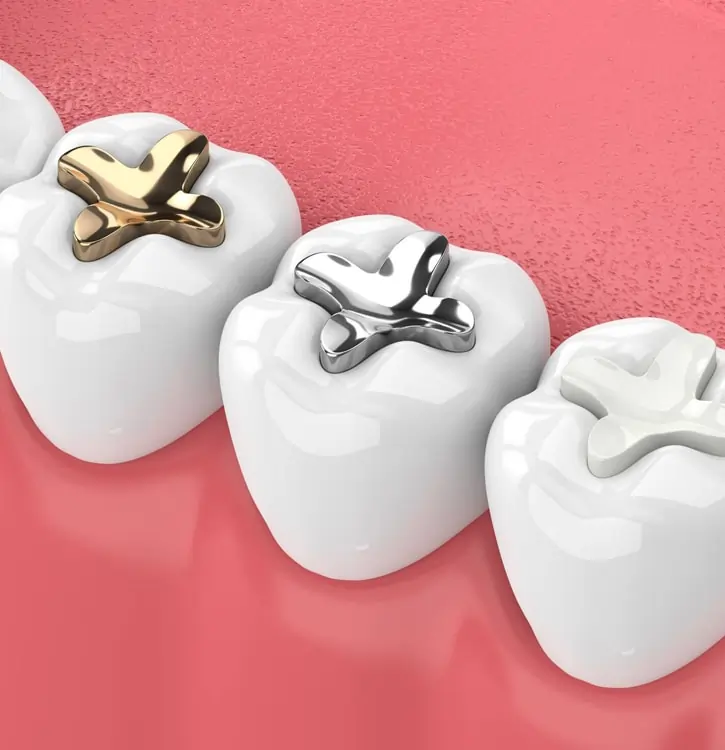
There are several types of materials used for teeth fillings including gold, porcelain, silver amalgam (an alloy consisting of mercury mixed with silver, tin, zinc, and copper), tooth-colored plastic, composite resin and glass ionomer. The material used depends on your dentist, the extent and location of your tooth decay and your insurance coverage.
Is tooth sensitivity after a filling normal?
When you get a filling, the area around the infected tooth is numbed. You shouldn’t feel anything for an hour or two after your appointment but once the numbing wears off it’s normal to feel pain in your teeth and gums.
It’s common to experience pain when drinking or eating anything hot or cold. It is also not uncommon to feel pain or greater than usual sensitivity when you brush or floss near the infected tooth.
Minimize Tooth Sensitivity
You can reduce the sensitivity in your teeth and gums by:
- Taking an anti-inflammatory drug that contains ibuprofen
- Rinse your mouth with 1/2 to 3/4 tsp of salt mixed with warm water. This can reduce inflammation
- Temporarily avoiding hot, cold, or acidic foods and drinks.
- Brush and floss gently
- Use a desensitizing toothpaste like Sensodyne or Colgate Sensitive
