
4.9 rating from 400+ reviews

Why Dental Technology Matters
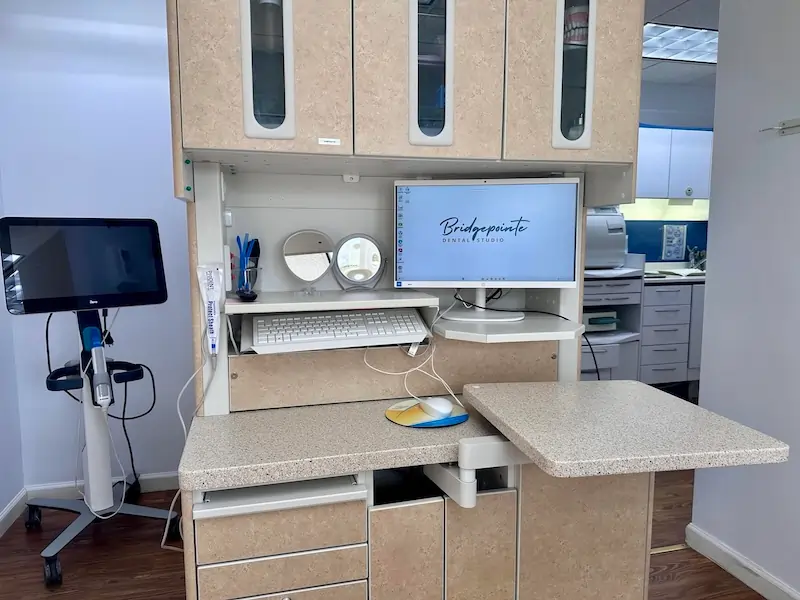
Dental technology plays a critical role in delivering safe, effective, and modern dental care. Advanced tools allow us to see more detail, plan with precision, and treat with confidence—especially for complex or restorative procedures.
Digital X-Rays
Advanced imaging for safer, faster, and more precise diagnosis
What Are Digital X-Rays?
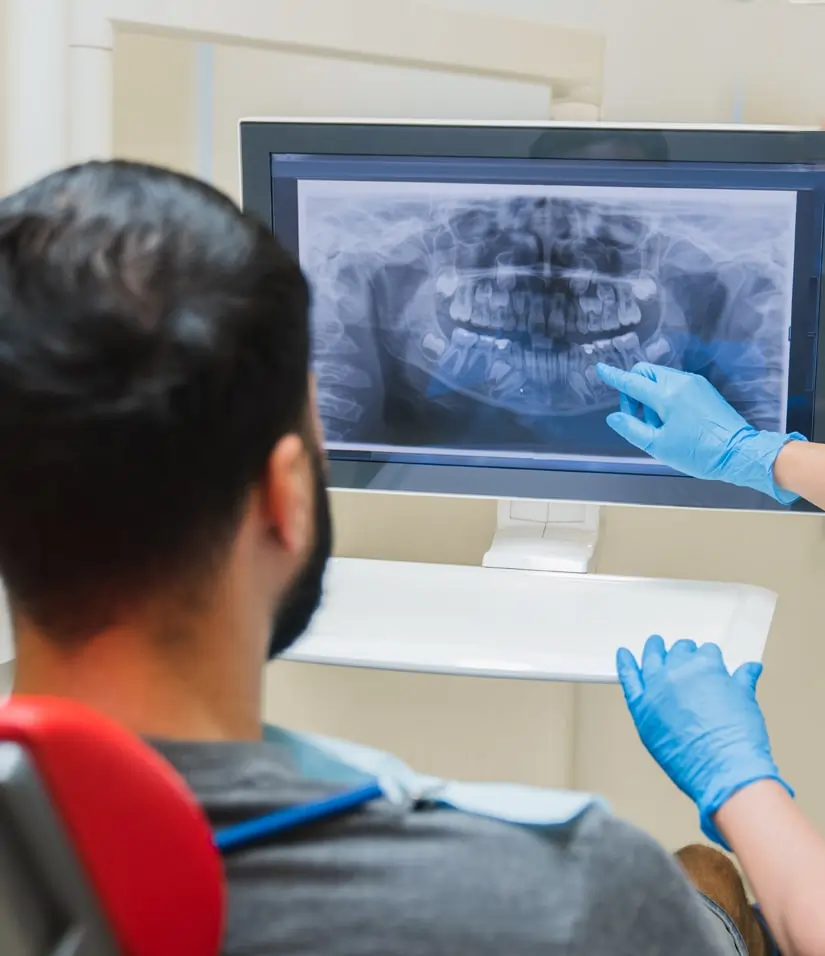
Digital X-rays are a modern imaging technology that allows us to capture highly detailed images of your teeth, roots, and surrounding bone with significantly less radiation than traditional film X-rays. These images are available instantly and can be enhanced, enlarged, and shared on-screen to help us identify concerns that aren’t visible during a routine exam.
This technology supports earlier detection, more accurate treatment planning, and clearer communication—so you can better understand your oral health.
What Digital X-Rays Help Detect
Cavities between teeth and beneath restorations
Infections or abscesses at the tooth root
Impacted or missing teeth
Changes in jawbone structure
Issues that may not be visible during a visual exam
Cone Beam CT
3D imaging technology for precise diagnosis and advanced treatment planning
What Is Cone Beam CT?
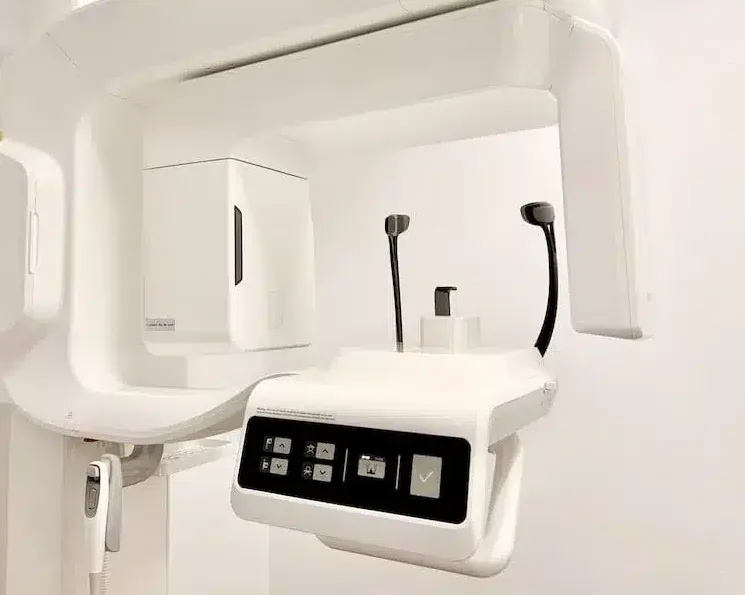
Cone Beam Computed Tomography (CBCT) is an advanced 3D imaging system that captures detailed views of the teeth, jawbone, nerves, sinuses, and surrounding structures in a single scan. Unlike traditional X-rays, CBCT provides a three-dimensional image, allowing for a deeper and more accurate understanding of your oral anatomy.
This technology is especially valuable for complex procedures, helping us plan treatment with greater precision, safety, and predictability.
What Cone Beam CT Helps Evaluate
Bone quality and volume for dental implants
Impacted or unerupted teeth
Jawbone structure and abnormalities
Root fractures and complex infections
Airway and sinus-related concerns
Digital Intraoral Camera
Real-time imaging that helps you see and understand your oral health
What Intraoral Cameras Help Reveal
Cracks, chips, and worn tooth surfaces
Gum inflammation or recession
Leaking or failing restorations
Hard-to-see problem areas
Changes that may need monitoring over time
What Is a Digital Intraoral Camera?
A digital intraoral camera is a small, high-resolution camera used to capture close-up images of your teeth and gums from inside your mouth. These images are displayed instantly on a screen, allowing both you and your dentist to clearly see areas that may be difficult to view with the naked eye.
By sharing real-time visuals, intraoral cameras improve communication, transparency, and patient understanding—making it easier to explain findings and discuss treatment options together.
iTero® Digital Scanner
Comfortable, mess-free digital scans for precise planning and predictable results
What Is the iTero Scanner?
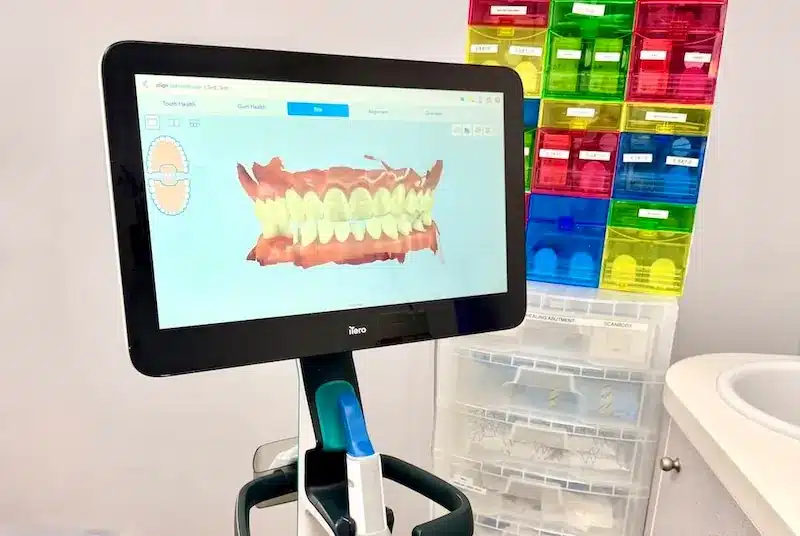
The iTero® digital scanner is an advanced imaging system that captures a highly accurate 3D model of your teeth and bite—without the need for traditional putty impressions. Using a small handheld wand, the scanner quickly creates a detailed digital image that can be viewed instantly on a screen.
This technology improves accuracy, comfort, and efficiency, making it an essential tool for treatments like Invisalign®, crowns, bridges, and other restorative or cosmetic procedures.
What the iTero Scanner Is Used For
Invisalign® and orthodontic treatment planning
Bite analysis and occlusion evaluation
Monitoring tooth movement and wear over time
Improved precision for cosmetic and restorative care
Visualizing treatment outcomes before starting
