
4.9 rating from 400+ reviews

Is A Gum and Bone Graft Painful?
Discover the truth about gum and bone grafts! Learn what to expect, how to manage discomfort, and tips for a smooth recovery. Don’t let fear hold you back from a healthier smile.
Published:
July 19, 2024
Gum and bone graft procedures are essential treatments for many dental issues, but the thought of undergoing these procedures often raises concerns about pain and discomfort. This blog aims to address these concerns and provide accurate information about what to expect during and after gum and bone grafting.
What is Gum and Bone Graft?
Gum grafting involves taking tissue, usually from the roof of the mouth, and attaching it to the area where the gums have receded. This procedure is commonly performed to treat gum recession, which can expose the roots of teeth and lead to sensitivity and increased risk of decay.
Bone grafting involves adding bone material to areas of the jawbone that have deteriorated or are insufficient to support dental implants or other dental structures. This procedure is often necessary for patients who have experienced bone loss due to periodontal disease, trauma, or tooth loss.
The Procedure: What to Expect?
Pre-Procedure Preparation for Gum and Bone Graft
Before the procedure, your dentist or periodontist will conduct a thorough evaluation and provide detailed instructions on how to prepare. This may include guidelines on medications, diet, and oral hygiene practices.
During the Procedure
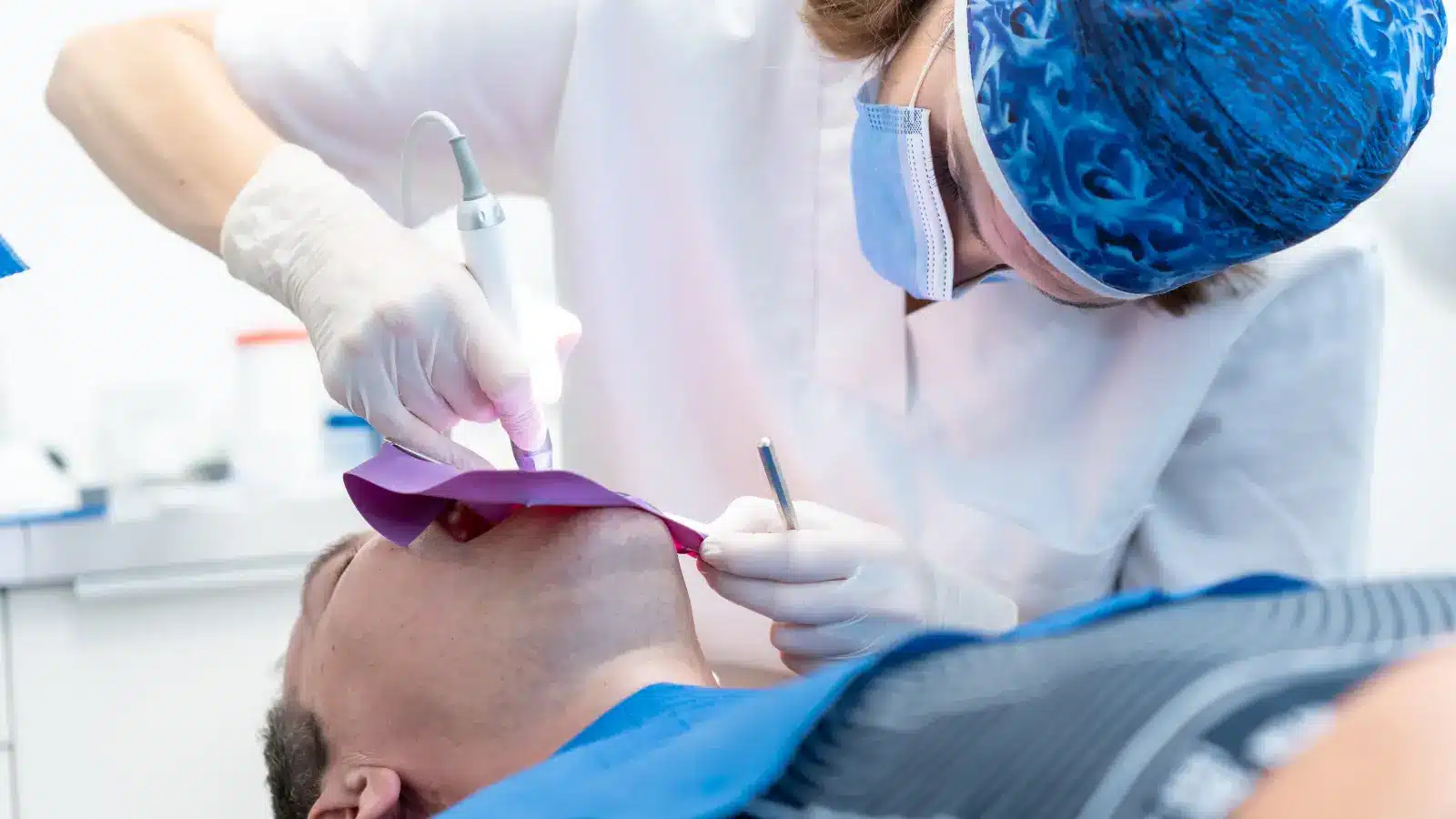
During gum grafting, the dentist will numb the area with local anesthesia to ensure you don’t feel pain. The graft tissue is then carefully placed and secured. Similarly, bone grafting involves numbing the area before adding bone material to the targeted site.
Pain and Discomfort: What Patients Experience?
During the Procedure
Thanks to local anesthesia, patients typically do not feel pain during gum and bone grafting. You may experience some pressure or movement, but the procedure itself should be pain-free.
Immediately After the Procedure
After the anesthesia wears off, you may experience some discomfort, swelling, and minor bleeding. Your dentist will provide pain medication and instructions for managing these symptoms effectively.
Recovery Period
The recovery period varies depending on the individual and the extent of the procedure. Common experiences include swelling, soreness, and sensitivity in the treated area. Following your dentist’s pain management recommendations can help alleviate these symptoms.
Tips for a Comfortable Recovery
Post-Procedure Care Instructions
To ensure a smooth recovery, follow your dentist’s care instructions closely. This includes maintaining good oral hygiene, adhering to dietary recommendations, and avoiding strenuous activities.
Pain Management Techniques
Your dentist may prescribe pain medications or recommend over-the-counter options. Home remedies, such as applying ice packs and using saltwater rinses, can also help reduce discomfort and promote healing.
When to Contact Your Dentist?
Signs of Complications
While complications are rare, it’s important to be aware of signs that warrant contacting your dentist. These include unusual pain, prolonged discomfort, signs of infection, and excessive bleeding or swelling.
Scheduled Follow-Up Visits
Attending follow-up visits is crucial for monitoring your healing process and ensuring the success of the graft. Your dentist will check the treated area and address any concerns you may have.
Wrap Up!
Gum and bone grafting are effective and safe procedures that play a vital role in maintaining oral health. While some discomfort is normal, modern techniques and proper care significantly minimize pain. If you have concerns or need more information, don’t hesitate to consult with a professional.
Are you considering a gum or bone graft? Trust the expertise of Dentist Metuchen to guide you through the process with care and precision. Schedule your consultation today and take the first step towards a healthier smile!
FAQ on Gum and Bone Graft
1. How long does it take to recover from a gum and bone graft?
Recovery time varies, but most patients heal within 1-2 weeks.
2. Is bone grafting necessary for dental implants?
Bone grafting is often required if the jawbone is not strong enough to support an implant.
3. Can I eat normally after a gum or bone graft?
Soft foods are recommended initially, and you should follow your dentist’s dietary guidelines during recovery.
