4.9 rating from 400+ reviews

How to Remove Coffee Stains on Your Teeth
Coffee is a delicious beverage enjoyed by millions worldwide. But that morning cup of joe can leave an unwanted souvenir: coffee stains on teeth. While not necessarily a health concern, these stains can affect
Published:
April 11, 2024
Coffee is a delicious beverage enjoyed by millions worldwide. But that morning cup of joe can leave an unwanted souvenir: coffee stains on teeth. While not necessarily a health concern, these stains can affect your confidence in your smile.
This article explores various methods to remove coffee stains from teeth, from simple at-home remedies to professional treatments. We’ll also delve into preventative measures to keep your pearly whites bright.
Understanding Coffee Stains
How Coffee Stains Impact on Oral Health
Coffee stains themselves are mostly harmless. However, excessive staining can indicate poor oral hygiene, which can lead to plaque buildup and gum disease. Brushing and flossing regularly are crucial to maintaining good oral health alongside stain removal.
Different Types of Teeth Discoloration
Teeth discoloration comes in two main types:
- Extrinsic stains: These surface-level stains come from external factors like coffee, tea, or smoking.
- Intrinsic stains: These deeper stains originate from within the tooth, often caused by medications, trauma, or excessive fluoride.
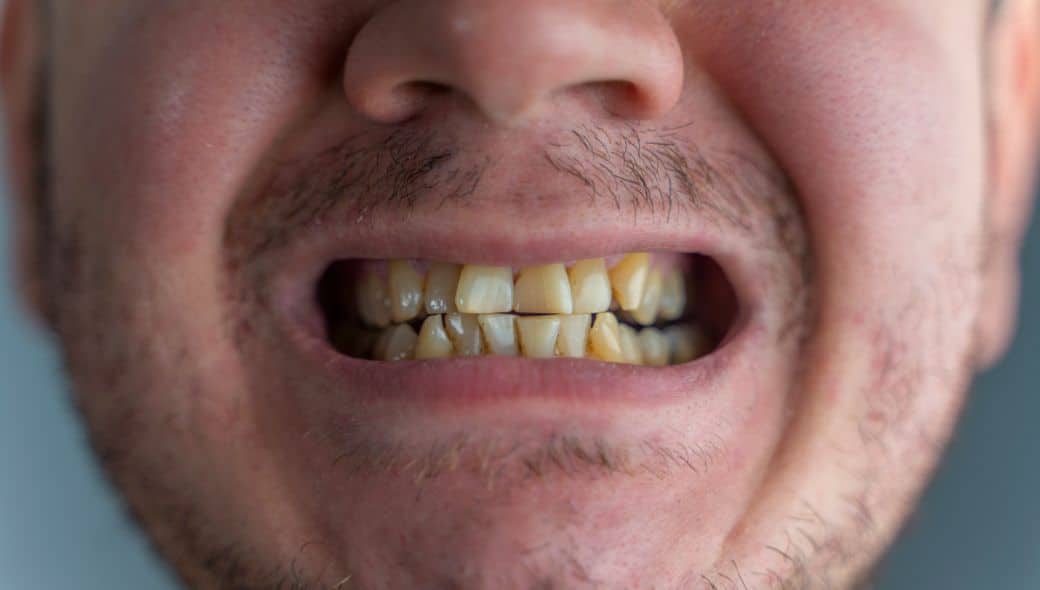
Coffee stains are typically extrinsic and can be addressed with the methods mentioned below.
Preventing Coffee Stains
The best defense against coffee stains is a good offense! Here are some ways to prevent them from forming in the first place:
Best Practices to Avoid Coffee Stains
- Drink water after coffee: Rinsing your mouth with water after each sip helps wash away coffee particles before they stain your teeth.
- Use a straw: Drinking coffee through a straw minimizes contact with your teeth.
- Limit sugary additives: Sugar in coffee can contribute to plaque buildup, which can worsen stains.
- Switch to lighter roasts: Darker roasts tend to stain more than lighter roasts.
- Brush right after coffee (wait 30 minutes): Brushing immediately after coffee can damage softened enamel due to acidity. Wait 30 minutes for saliva to neutralize the acid before brushing.
Brushing Techniques for Stain Prevention
- Brush for two minutes: Brushing thoroughly removes coffee particles and plaque before they set in.
- Use a soft-bristled brush: Harsh bristles can damage enamel, making teeth more prone to staining.
- Don’t forget your tongue: Bacteria on the tongue can contribute to discoloration. Brush your tongue gently.
Choosing the Right Toothpaste for Stain Removal
Look for toothpaste with:
- Fluoride: Strengthens enamel and fights cavities.
- Whitening agents: Baking soda or hydrogen peroxide can gently remove surface stains.
- Antiseptic properties: Help kill bacteria that contribute to staining.
Home Remedies for Removing Coffee Stains
If coffee stains do appear, there are some natural remedies you can try:
Baking Soda and Water Paste
- Mix a teaspoon of baking soda with a little water to form a paste.
- Brush your teeth gently with the paste for a minute, then rinse thoroughly.
- Baking soda has mild abrasive properties that can help remove surface stains. Use this method no more than twice a week to avoid damaging enamel.
Apple Cider Vinegar Rinse
- Mix one tablespoon of apple cider vinegar with a cup of water.
- Swish thoroughly for 30 seconds, then rinse with plain water.
- The mild acidity in apple cider vinegar can help loosen surface stains. However, overuse can erode enamel. Use this method once a week at most.
Coconut Oil Pulling Method
- Swish a tablespoon of virgin coconut oil in your mouth for 15-20 minutes.
- Spit it out and rinse thoroughly with water.
- Coconut oil pulling is an ancient practice believed to remove toxins and whiten teeth. While research is limited, it may help with mild stains.
Important Note: These home remedies may not be effective for everyone and may take time to show results. If you have sensitive teeth, consult your dentist before using them.
Professional Treatments for Stubborn Stains
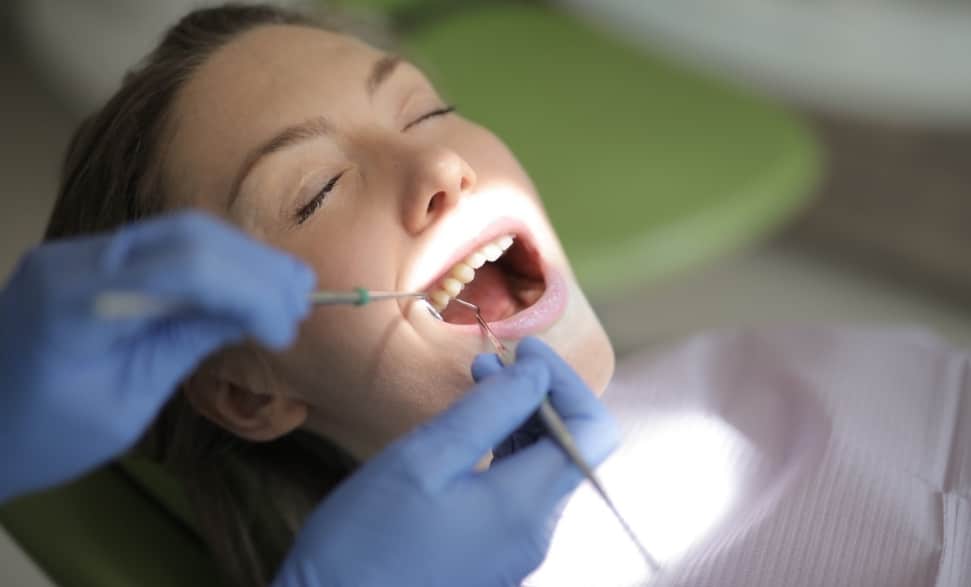
For stubborn stains or deeper discoloration, professional treatments from your dentist might be necessary. Here are some options:
1. Teeth Whitening Procedures
There are various in-office whitening procedures that dentists offer. These treatments use stronger bleaching agents to achieve a whiter smile quickly.
2. Laser Teeth Whitening Technology
Laser technology can accelerate the teeth whitening process, offering dramatic results in a single session.
3. Consultation with a Dentist for Severe Stains
If you have severe staining or intrinsic stains, your dentist can recommend the most suitable treatment based on the cause of the discoloration.
Maintenance and Long-Term Strategies
Maintaining a bright smile requires ongoing effort. Here are some tips:
Regular Dental Check-Ups
Schedule regular dental cleanings with your dentist to remove built-up plaque and tartar that can contribute to staining. And if you are looking for dentist in Metuchen, NJ then we got you covered, just give us a call on (732) 479-0195.
Limiting Coffee Consumption
While you don’t have to ditch coffee entirely, consider moderating your intake. Reducing the frequency of coffee consumption can significantly reduce staining.
Incorporating Stain-Fighting Foods into Your Diet
Certain foods can naturally help whiten teeth:
- Fruits and vegetables: Crunchy fruits and vegetables like apples, carrots, and celery act as natural toothbrushes, scrubbing away surface stains.
- Strawberries: These contain malic acid, which can help whiten teeth.
- Dairy products: Milk and cheese can neutralize the acidity in coffee and strengthen enamel.
By understanding the causes of coffee stains, adopting preventive measures, utilizing home remedies, seeking professional treatments, and maintaining good oral hygiene practices, you can effectively remove and prevent coffee stains on your teeth.