
4.9 rating from 400+ reviews

Beyond Silver: 7 Kid-Approved Dental Filling Options
Remember that fear of the dentist? It’s time to say goodbye to silver fillings and hello to a world of kid-friendly alternatives. Discover 7 amazing options that’ll make your little one smile with excitement.
Published:
August 24, 2024
When it comes to treating cavities in children, dental technology has evolved significantly. Gone are the days when silver amalgam fillings were the only option. Today, there are a variety of dental filling options that are not only effective but also more aesthetically pleasing and comfortable for kids.
These modern alternatives are designed to blend seamlessly with natural teeth while offering durability and safety, making them kid-approved choices for parents and dentists alike.
Understanding Dental Fillings Options
Dental fillings are used to restore teeth damaged by cavities, restoring their normal function and shape. The dental filling options encompass the different materials available today, each with its unique benefits. While traditional silver fillings (amalgam) have been a go-to for many years, advancements in dental materials have provided a variety of choices that cater to both functional needs and aesthetic preferences.
1. Composite Resin Fillings
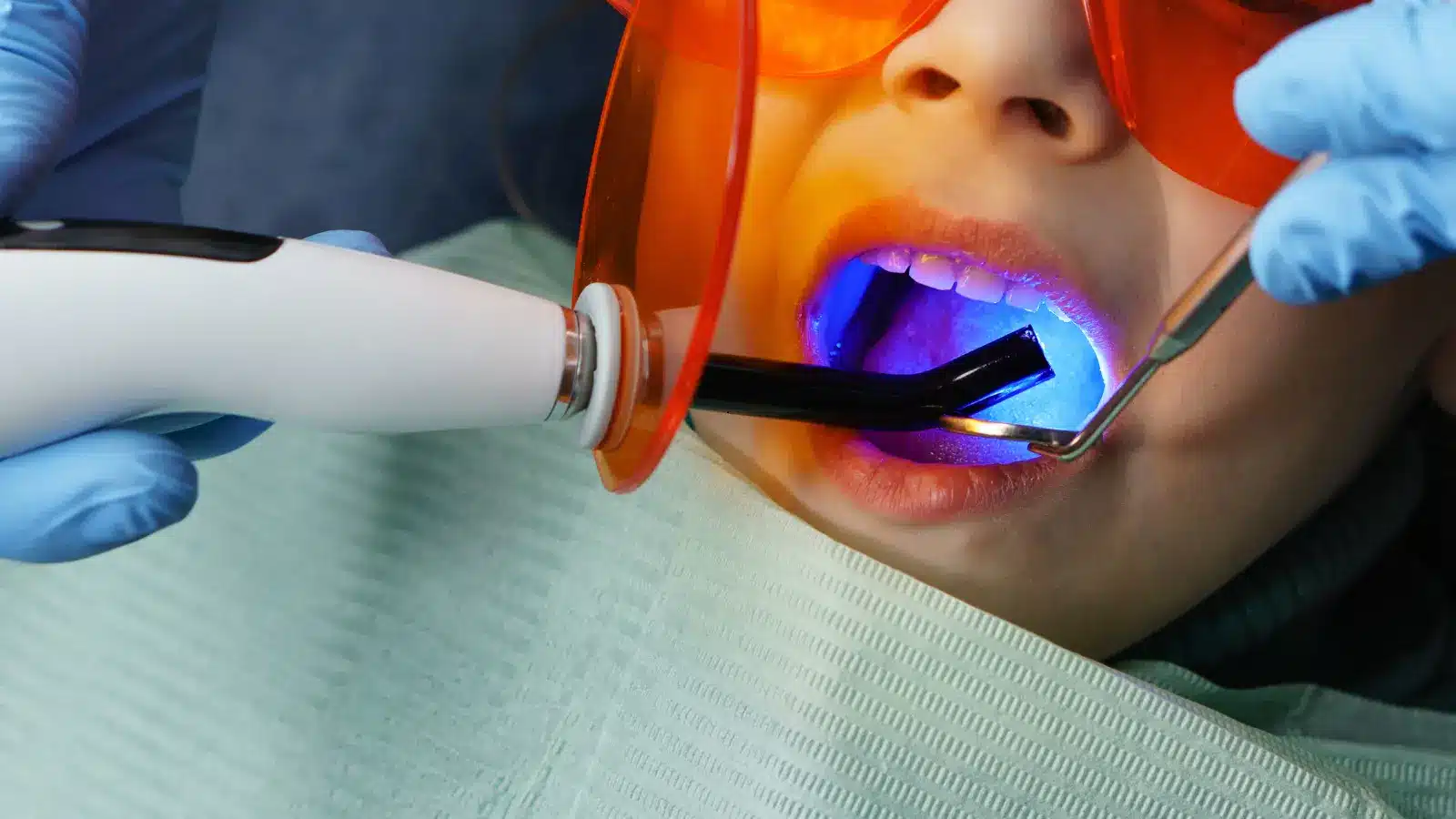
Composite resin fillings are one of the most popular choices for kids due to their natural appearance. These fillings are made from a mixture of plastic and fine glass particles, allowing them to match the color of the tooth. This makes them an excellent option for visible areas like the front teeth.
- Pros:
- Blends with natural tooth color
- Bonds directly to the tooth, providing added strength
- Requires less removal of tooth structure compared to amalgam fillings
- Cons:
- Can wear down over time with heavy chewing
- May not be as durable as amalgam for large fillings
2. Glass Ionomer Fillings
Glass ionomer fillings are another excellent option, particularly for young children who may have difficulty sitting still for lengthy dental procedures. These fillings release fluoride over time, which helps to prevent further decay, making them a great choice for kids at higher risk of cavities.
- Pros:
- Releases fluoride, promoting tooth health
- Chemically bonds to the tooth, requiring minimal preparation
- Less sensitivity to moisture during placement, ideal for kids
- Cons:
- Less durable and more prone to wear than composite fillings
- Typically used for small cavities or areas that are not under heavy chewing pressure
3. Resin-Modified Glass Ionomer Fillings
A variation of glass ionomer fillings, resin-modified glass ionomer fillings incorporate resin into the mix, offering enhanced durability while still releasing fluoride. This option provides a balance between the aesthetic benefits of composite fillings and the protective properties of traditional glass ionomer.
- Pros:
- Enhanced durability compared to traditional glass ionomer
- Continues to release fluoride, aiding in cavity prevention
- Bonds well to the tooth, reducing the risk of future decay
- Cons:
- May not be as aesthetically pleasing as pure composite fillings
- Better suited for smaller cavities
4. Ceramic Fillings
Ceramic fillings, often made from porcelain, are a high-end option that offers both durability and a natural look. While more commonly used for adult patients, they are also suitable for older children who may need a more permanent solution.
- Pros:
- Extremely durable and resistant to wear
- Highly resistant to staining
- Matches the natural tooth color, providing an aesthetic finish
- Cons:
- More expensive than other filling materials
- Requires more extensive preparation and may take longer to place
5. Gold Fillings
Gold fillings, though less common in pediatric dentistry, are an option for parents seeking a long-lasting solution. It is one of the most durable materials available, and while it doesn’t blend with the natural tooth color, it can be a unique choice.
- Pros:
- Extremely durable, often lasting 20 years or more
- Gentle on opposing teeth during chewing
- Less likely to cause allergic reactions
- Cons:
- Expensive compared to other options
- Noticeable appearance, not ideal for visible teeth
6. Stainless Steel Crowns
For extensive decay or in cases where a filling may not suffice, stainless steel crowns are often used, particularly in primary (baby) teeth. These prefabricated crowns are placed over the entire tooth to protect it until it naturally falls out.
- Pros:
- Provides full coverage protection for severely decayed teeth
- Durable and can withstand heavy chewing
- Quick to place, reducing time in the dentist’s chair
- Cons:
- Metallic appearance, not aesthetically pleasing
- Typically only used for baby teeth or as a temporary solution for permanent teeth
7. Tooth-Colored Crowns
An alternative to stainless steel crowns, tooth-colored crowns are made from composite resin or porcelain and are designed to match the color of the natural teeth. These are often preferred by parents and children who want a more discreet solution.
- Pros:
- Blends with natural teeth, providing an aesthetic look
- Durable and suitable for both primary and permanent teeth
- Protects the entire tooth from further decay
- Cons:
- More expensive than stainless steel crowns
- Requires more time and precision to place
Choosing The Right Filling for Your Child
When it comes to choosing the right dental filling options for your child, several factors should be considered:
- Location of the Cavity: Front teeth require a more aesthetic solution, while molars may need more durable fillings.
- Size of the Cavity: Larger cavities may require more robust materials, such as crowns, to ensure long-term protection.
- Your Child’s Age: Younger children may benefit from simpler, quicker options like glass ionomer fillings, while older kids might opt for more durable choices.
- Budget: While some fillings are more affordable, others, like ceramic or gold, offer long-term benefits that might justify the higher cost.
The world of dental fillings has evolved significantly, offering a wide range of kid-approved options beyond the traditional silver amalgam. Whether you’re looking for a natural-looking filling, one that offers additional cavity protection, or a durable solution for heavily used teeth, there’s a dental filling option that’s right for your child.
Remember, the key to successful dental treatment lies not only in choosing the right material but also in maintaining good oral hygiene practices and regular dental check-ups.
When considering the best dental filling options for your child, consult with your pediatric dentist to find the most suitable and effective choice. With the right filling, you can ensure your child’s smile remains healthy and bright for years to come.
Frequently Asked Questions About Kid-approved Dental Filling Options!
1. What is the best dental filling option for my child’s front teeth?
For front teeth, composite resin fillings are often the best choice. They blend seamlessly with natural tooth color, making them virtually invisible and ideal for visible areas of the mouth.
2. Are there dental filling options that release fluoride to prevent future cavities?
Yes, glass ionomer and resin-modified glass ionomer fillings release fluoride over time, which helps prevent future cavities. These options are particularly beneficial for children prone to decay.
3. How long do composite resin fillings last in children?
Composite resin fillings can last anywhere from 5 to 10 years, depending on the size of the filling, location in the mouth, and how well your child maintains their oral hygiene. Regular dental check-ups can help monitor the condition of these fillings.
