4.9 rating from 400+ reviews


How Successful Are Dental Implants?
Thinking about replacing missing teeth? Dental implants are a popular choice, but you might wonder: how successful are they really? This blog dives into the world of dental implants, exploring their success rates, benefits,
Published:
April 8, 2024
Thinking about replacing missing teeth? Dental implants are a popular choice, but you might wonder: how successful are they really? This blog dives into the world of dental implants, exploring their success rates, benefits, risks, and costs.
Introduction
What are Dental Implants?
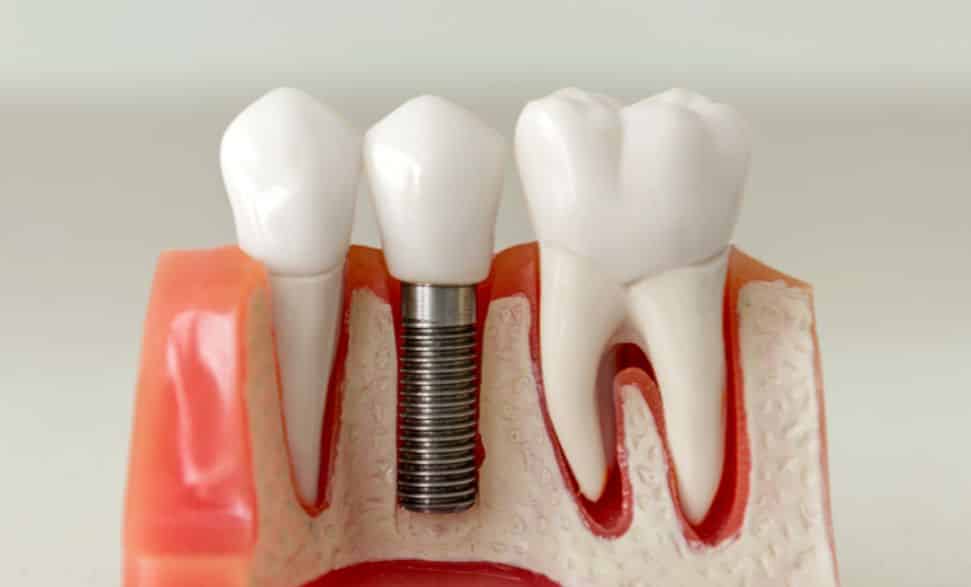
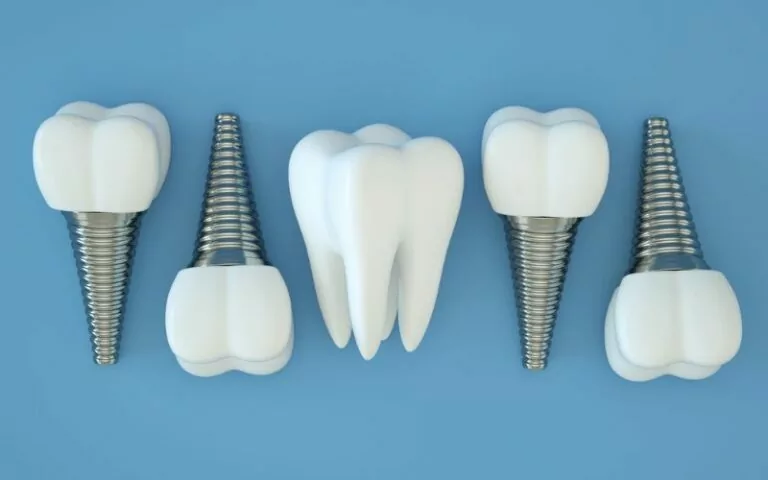
Dental implants are artificial tooth roots made of titanium. These implants are placed into your jawbone through surgery, and over time, they become part of the bone. This creates a strong foundation for a permanent crown, bridge, or denture that looks and functions just like a natural tooth.
History and Evolution of Dental Implants
Dental implants have a long history, dating back to ancient civilizations. However, modern dental implant technology has evolved significantly in recent decades, leading to high success rates and improved biocompatibility.
Why Are Dental Implants Popular?
Dental implants provide numerous benefits compared to traditional tooth replacement methods such as dentures or bridges. They are:
- Natural-looking: Implants blend seamlessly with your smile, boosting confidence.
- Highly functional: You can eat, speak, and smile with ease, just like with natural teeth.
- Durable: With proper care, implants can last a lifetime.
- Preserves jawbone health: Implants stimulate the jawbone, preventing bone loss.
Success Rate of Dental Implants
Factors Affecting the Success of Dental Implants
Several factors influence the success rate of dental implants, including:
- Overall health: Patients with good general health and healthy gums are more likely to have successful implant placement.
- Oral hygiene: Maintaining excellent oral hygiene practices is crucial for long-term implant success.
- Smoking: Smoking can hinder healing and increase the risk of implant failure.
- Bone density: Adequate jawbone density is essential for implant stability. Bone grafting procedures can be performed to improve bone density if needed.
- Experience of the dentist: Choosing a qualified and experienced dentist specializing in implant dentistry is vital.
Studies and Statistics on the Success Rate
Studies show a success rate of 90-95% for dental implants over a 10-year period. This means that the implant integrates well with the jawbone and functions properly.
Comparison with Other Tooth Replacement Options
Compared to traditional options like dentures or bridges, dental implants boost significantly higher success rates. Dentures and bridges may require adjustments or replacements over time, while implants can potentially last a lifetime.
Benefits of Dental Implants
- Improved Aesthetics and Confidence: Dental implants look and feel natural, restoring your beautiful smile and boosting your self-confidence.
- Enhanced Functionality and Comfort: Implants function just like natural teeth, allowing you to eat, speak, and smile with ease and comfort.
- Long-term Oral Health Benefits: Implants stimulate the jawbone, preventing bone loss and promoting long-term oral health.
Risks and Complications Associated with Dental Implants
Common Risks During and After Surgery
As with any surgery, there’s a potential for infection, bleeding, and discomfort after implant placement.
Potential Complications to Watch Out For
- Peri-implantitis: This is an inflammation of the gum tissue around the implant, similar to gum disease.
- Implant failure: In rare cases, the implant may not fuse with the jawbone or may become loose.
How to Minimize Risks and Ensure Successful Implantation
- Choose a qualified dentist: Opt for a dentist with expertise in implant dentistry.
- Maintain good oral hygiene: Brushing, flossing, and regular dental checkups are essential.
- Follow post-surgical instructions: Carefully follow your dentist’s instructions for healing and care after implant placement.
Cost of Dental Implants
Breakdown of Costs Involved
The cost of dental implants can vary depending on several factors, including:
- The number of implants needed
- The type of implant used
- The dentist’s experience and location
- Any additional procedures required (bone grafting)
Insurance Coverage and Financing Options
Some dental insurance plans may offer partial coverage for dental implants. Discuss payment options and financing plans with your dentist’s office.
Comparing Long-term Costs with Traditional Restorative Dentistry
While the initial cost of dental implants might seem higher, their long-term durability and minimal need for replacements make them a cost-effective option compared to traditional methods.
Recap of Key Points
Dental implants offer a highly successful and long-lasting solution for replacing missing teeth. With a success rate of 90-95%, they provide numerous benefits for aesthetics, functionality, and oral health. However, several factors influence success, and consulting a qualified dentist is crucial. While there are potential risks associated with implant surgery, proper planning and meticulous care can minimize these risks and ensure a successful outcome.
Final Thoughts on the Success of Dental Implants
Dental implants are a remarkable advancement in dental technology. If you’re considering replacing missing teeth, implants are a worthwhile option to explore. Discuss your concerns and suitability for implants with a qualified dentist. They can assess your individual needs and determine if implants are the right choice for your smile.
Dental Implant FAQs
Are dental implants suitable for everyone?
Not everyone is ideal for implants. Those with good health, healthy gums, and enough jawbone are generally good candidates. Discuss your situation with a dentist to see if implants are right for you.
How long do dental implants last?
With proper care, implants can last a lifetime! Brushing, flossing, and avoiding smoking are key for long-term success.
What’s the recovery process like?
Expect some swelling, discomfort, and minor bleeding after surgery. Your dentist will provide specific aftercare instructions. Healing typically takes a few months.
Can implants fail?
Yes, but it’s rare. Reasons include infection, insufficient jawbone, health conditions, smoking, and improper placement.
Alternatives to implants?
Dentures are removable replacements for missing teeth. Bridges are fixed restorations attached to healthy teeth on either side of the gap. Both have pros and cons to discuss with your dentist.